
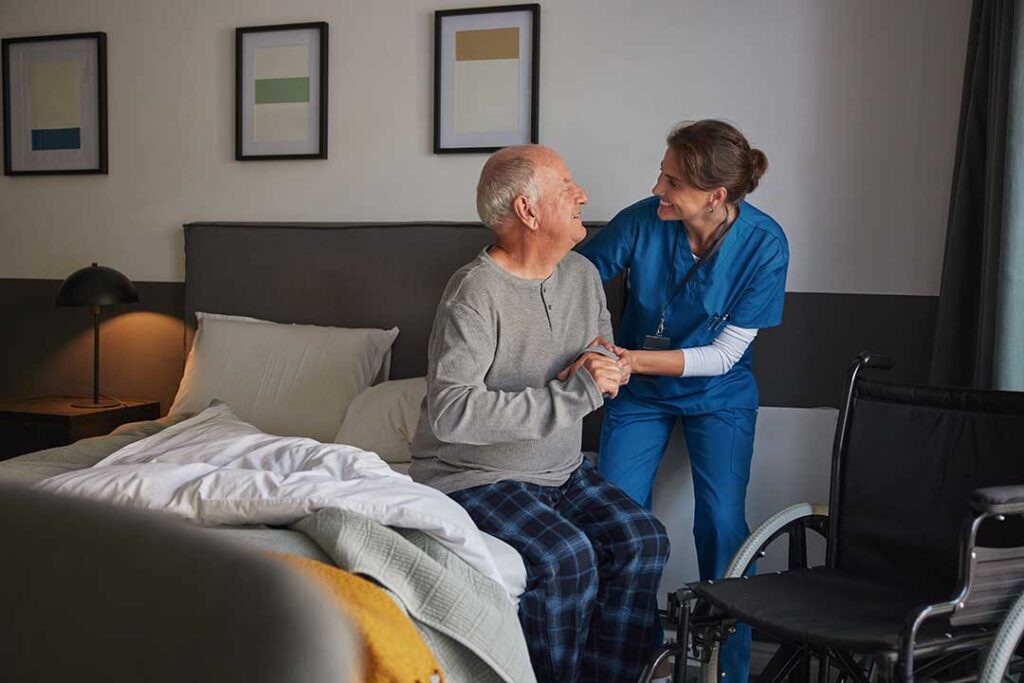
What’s the Main Difference Between Assisted Living and Nursing Homes?
Assisted living and nursing homes both provide residential care for older adults who need support, but there are key differences in the level and type of care offered. Assisted living primarily supports residents with daily living activities in a more home-like setting, while nursing homes provide a higher level of medical care and supervision for people with complex health needs.
In Collegeville, community members often face choices between these two options when health or independence starts to decline. Understanding their differences can help families find the right environment for their needs.
Who Benefits Most from Assisted Living?
Assisted living is designed for individuals who can still manage some personal care and mobility, but need help with specific daily activities.
Some typical characteristics of people best suited for assisted living include:
- Needing help with bathing, dressing, or medication reminders
- Wanting social activities, shared meals, and planned events
- Requiring support but not intensive medical or nursing care
- Enjoying some privacy, such as having their own apartment or suite
Many assisted living residences in the area feature comfortable individual units, communal dining, and scheduled transportation. The goal is to help residents live as independently as possible while easing daily challenges. This model fits well with many local older adults who no longer want to manage a large house or drive, but remain self-sufficient in most areas.
When Is a Nursing Home Necessary?
Nursing homes provide a much higher level of ongoing medical supervision, making them necessary for those with serious health conditions or round-the-clock care needs.
Situations that might require nursing home placement:
- Needing skilled nursing care due to chronic illness or disability
- Requiring constant supervision to prevent wandering or injury
- Complex medication management, wound care, or advanced therapies
- Serious mobility limitations, including total assistance to move or transfer
Nursing homes in the Collegeville area are regulated to ensure residents’ medical safety, and have 24/7 access to licensed nursing staff and on-call medical professionals. This is a key factor for families coping with progressive diseases or those recuperating from advanced surgeries, who can’t be safely cared for in a more independent setting.
What Services and Amenities Are Provided in Assisted Living Compared to Nursing Homes?
Both settings offer meals, housekeeping, and personal care, but nursing homes include specialized medical monitoring and treatments. Here’s how they compare on services:
Assisted Living:
- Help with bathing, grooming, and dressing
- Meal preparation with attention to dietary restrictions
- Social events, recreation, and group outings
- Staff available to support residents, but not always licensed nurses
Nursing Homes:
- 24/7 skilled nursing care and regular physician oversight
- Physical, occupational, or speech therapy offered on-site
- Care for medically complex residents (catheters, IVs, feeding tubes)
- End-of-life and palliative care options
Apartments in assisted living are usually more private and homelike, sometimes including kitchens or kitchenettes. Nursing home rooms are more clinical, often shared, and focused on safety and access to medical equipment.

How Does the Cost Compare?
In Collegeville and similar communities, assisted living generally costs less than nursing home care due to differences in staffing and the intensity of services.
Assisted living monthly fees usually cover rent, meals, and basic care; higher needs, such as frequent medication management, may add to the bill. Nursing homes charge higher fees to reflect ongoing medical care and special equipment. For area households, a critical factor is that long-term nursing home care is most likely to be covered by Medicaid if financial need exists; assisted living is usually paid out-of-pocket unless a specific long-term care insurance policy is in place.
Is There a Difference in Daily Life and Socialization?
Life in assisted living is more independent and socially oriented, with choices about daily routines, participation in events, and room personalization. Residents usually have more autonomy and privacy.
Nursing homes follow stricter schedules, due to the need for around-the-clock care. Activities exist, but medical needs usually dictate routines. For local families, understanding the daily differences might help ease transitions or clarify visiting expectations.
Common Misunderstandings about These Options
It’s common to assume that assisted living provides extensive medical care, or that all nursing home residents are permanently bedridden. In reality:
- Assisted living communities can assist with health monitoring and medication reminders, but do not typically manage chronic diseases in the same way nursing homes can.
- Nursing home residents may receive rehabilitation or recover from an illness, and some transition back to more independent living after a temporary stay.
What Are Some Practical Factors for Local Residents to Consider?
For Collegeville households, geography and climate can factor into decision making. Many assisted living residents appreciate access to walking paths, safe neighborhoods, or nearby parks for fresh air, which fits with the suburban layout of the area. Nursing home locations might prioritize quick ambulance access to regional hospitals.
Families often weigh factors such as:
- Proximity to relatives for visits, especially during harsh winters
- Ease of transportation for off-campus trips and appointments
- Seasonal wellness considerations, like preventing falls in icy months
Careful planning around these concerns can help ensure a more comfortable transition and ongoing quality of life.
How Does Regulation and Oversight Differ Locally?
In Pennsylvania, assisted living and nursing homes are both state-regulated, but under different licensing standards. Assisted living regulations focus more on resident safety, housing quality, and care plans without duplicating the hospital-like oversight of nursing homes. Nursing homes are overseen for clinical care by state and federal agencies.
For the Collegeville community, this means both types of residences meet defined guidelines for health and safety—but the type and degree of oversight will reflect their specific mission.
