
Why do social connections matter in assisted living?
Assisted living can support social connection by making everyday interaction easier, more predictable, and more accessible. Residents may have regular opportunities to talk with neighbors, share meals, join activities, and maintain relationships with family members.
Social connection is more than having a busy calendar. Meaningful interaction can help older adults feel recognized, useful, and included. It may also provide emotional support during changes such as retirement, reduced mobility, the loss of a spouse, or a move away from a longtime home.
For residents and families in Collegeville, PA, assisted living may offer a practical setting where social opportunities are available close to home rather than requiring frequent driving or complex scheduling.
How does assisted living reduce isolation?
Assisted living reduces isolation by placing common areas, dining spaces, activity rooms, and outdoor areas within a resident’s daily routine. A person does not always need to arrange transportation or wait for a visitor to have a conversation.
Simple interactions can become part of the day:
- Greeting neighbors in a hallway
- Sitting with others during meals
- Joining a walking group
- Attending a discussion, game, or craft activity
- Sharing memories with residents of a similar age
- Speaking with staff members during routine assistance
These repeated, low-pressure encounters can be especially helpful for someone who is hesitant to attend large events or who has difficulty initiating social plans. Familiar faces and predictable routines often make participation feel more comfortable.
What types of social activities are common?
Activities vary by residence, but most programs include a combination of group events, informal gatherings, and opportunities for personal interests. Common examples include:
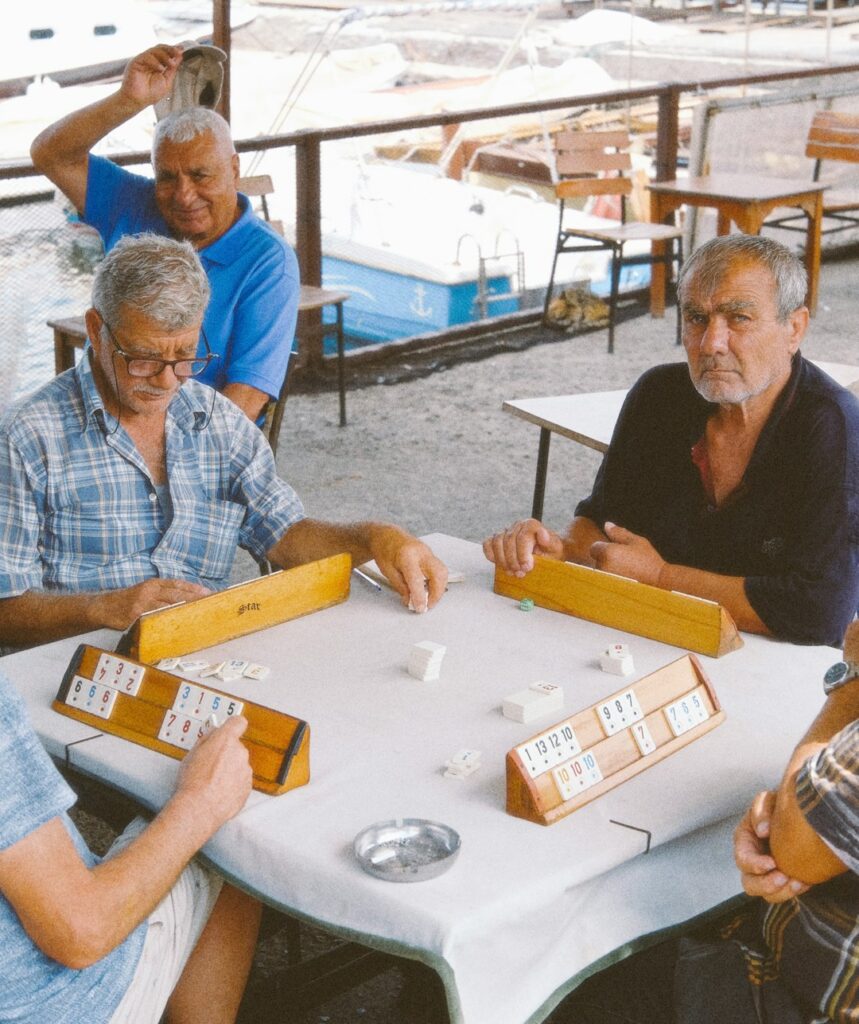
- Card games, puzzles, trivia, and board games
- Music programs, sing-alongs, or listening groups
- Arts, crafts, gardening, and seasonal projects
- Exercise, stretching, balance, or walking sessions
- Book discussions and current-events conversations
- Religious or spiritual gatherings
- Educational talks and demonstrations
- Celebrations for birthdays, holidays, and community events
- Shared cooking or baking activities
- Outings to parks, cultural sites, or local events
A strong activity program does not assume every resident enjoys the same things. Some people prefer lively group programs, while others favor small conversations, quiet hobbies, or one-on-one visits.
Residents should be able to ask how activities are selected, how often schedules change, and whether programs can be adapted for hearing, vision, memory, or mobility needs.
Can assisted living help residents maintain existing relationships?
Yes. Assisted living can make it easier to maintain family and friendship connections, but it does not replace the effort required to sustain those relationships. Residents may benefit from scheduled visits, shared meals, phone calls, video conversations, and participation in family events.
Some residences provide common visiting areas where relatives can spend time together without requiring a resident to travel. Others may offer guest meals, family activities, or spaces suitable for private conversations.
For families living in or near Collegeville, regular visits may be easier when a loved one no longer has to manage household upkeep, transportation, or daily chores alone. Seasonal conditions can also affect travel plans. Winter weather, summer heat, and shorter daylight hours may make convenient indoor visiting spaces more useful.
Family members can support connection by asking specific questions rather than relying only on general conversation. For example:
- What was the most enjoyable part of your day?
- Did you meet anyone new this week?
- Which activity would you attend again?
- Is there someone you would like to sit with at meals?
- Would you like help arranging a phone or video call?
What if a resident is shy or does not enjoy group activities?
Assisted living does not automatically make a person socially engaged. Some residents need time to adjust, and others may prefer limited interaction. A quiet personality is not the same as loneliness.
A gradual approach may work better than encouraging someone to attend every event. Helpful steps can include:
- Starting with a small activity instead of a large gathering
- Sitting near the same people during meals
- Choosing an activity connected to a longtime interest
- Asking a staff member to introduce the resident to one or two neighbors
- Taking part as an observer before joining actively
- Scheduling short visits rather than long, tiring ones

Personal choice matters. Social connection should not feel like a requirement to perform, entertain others, or remain constantly occupied.
How do meals support social connection?
Shared meals create regular opportunities for conversation and routine. Dining together can help residents recognize familiar neighbors and develop relationships over time.
Meal settings may also reveal social preferences. One resident may enjoy a lively table, while another may prefer a quieter location or a smaller group. Seating arrangements, noise levels, lighting, and the amount of assistance available can affect whether dining feels welcoming.
Families evaluating assisted living can ask whether residents choose where to sit, whether meals are served at consistent times, and how dietary needs are handled without separating someone unnecessarily from the group.
Can social connection support emotional and cognitive well-being?
Regular social interaction may support mood, confidence, communication, and a sense of purpose. Conversation encourages people to recall experiences, express opinions, listen, and respond. Activities that involve planning, movement, creativity, or problem-solving may provide additional mental stimulation.
These benefits should be described realistically. Social activity is not a cure for depression, dementia, or other health conditions. A sudden withdrawal, persistent sadness, confusion, or loss of interest may signal a medical, emotional, hearing, vision, or medication-related concern. Those changes deserve careful attention from the resident, family, and appropriate healthcare professionals.
How can residents build meaningful connections after moving?
Meaningful relationships often develop through repetition rather than a single successful event. A resident may begin by learning names, attending the same activity each week, or sharing a regular table with others.
It can help to identify natural points of connection, such as:
- Similar hobbies or former occupations
- Shared interest in music, sports, books, or current events
- Comparable mobility or activity levels
- Common family experiences
- Familiar holiday traditions
- A preference for quiet conversation or larger gatherings
Residents may also benefit from contributing, not only attending. Folding activity materials, helping choose music, welcoming a new neighbor, tending plants, or sharing a recipe can create a sense of usefulness and belonging.
What should families look for in a socially supportive setting?
Families should look beyond the number of activities listed on a calendar. A socially supportive setting pays attention to whether residents actually participate and whether people who are isolated receive gentle, respectful encouragement.
Useful questions include:
- Are activities offered at different times of day?
- Are there options for residents with limited mobility or memory loss?
- Can residents suggest programs or form informal groups?
- Are common areas comfortable, accessible, and easy to find?
- How are new residents introduced to others?
- Are family visits welcomed in a practical way?
- What happens when a resident stops attending activities?
- Can residents spend time alone without being treated as disengaged?
The most effective social environment is not necessarily the busiest one. It is a setting where residents can choose interaction, find familiar routines, maintain outside relationships, and receive support when isolation becomes a concern.
