
What does assisted living provide?
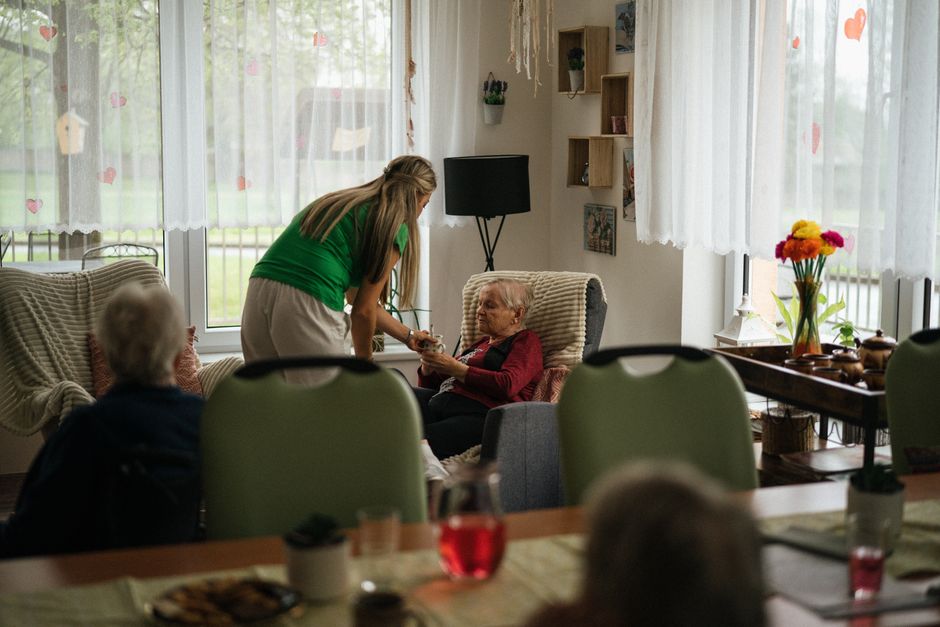
For many older adults in Collegeville, PA, assisted living offers a middle ground between living completely independently and receiving skilled nursing care. Residents typically have a private or shared living space, meals, housekeeping, social opportunities, and help with daily activities such as bathing, dressing, walking, toileting, or taking medications.
Assisted living is generally designed for people who need regular support but do not require continuous medical care in a nursing facility. The level of assistance can vary, so the right fit depends on a person’s health, mobility, memory, preferences, and ability to manage safely at home.
The setting is residential rather than hospital-like. Residents usually maintain personal routines, choose how to spend their day, and receive support according to an individualized care plan.
How can assisted living improve daily safety?
The most direct benefit is help with tasks that have become difficult or risky. A person may still be capable of making decisions but need assistance getting in and out of a chair, preparing for bed, or moving safely through the building.
Support may reduce risks related to:
- Falls during bathing, dressing, or nighttime movement
- Missed or duplicated medication doses
- Poor nutrition or difficulty preparing meals
- Leaving a stove, faucet, or appliance unattended
- Fatigue while completing laundry or household chores
- Delayed response when help is needed
Safety also includes the physical design of the residence. Many assisted living settings have accessible bathrooms, handrails, emergency response systems, improved lighting, and staff available at various times of day. These features can be especially helpful during winter weather, when ice, snow, and shorter daylight hours may make outdoor travel more difficult in the area.
Assisted living does not eliminate every risk. Families should still ask how emergencies are handled, what overnight staffing looks like, and whether the residence can safely support changing care needs.
Can assisted living help seniors remain independent?
Yes. Independence does not always mean doing every task without assistance. For many older adults, independence means having choices, privacy, familiar belongings, and control over daily routines while receiving help where needed.
A resident may be able to:
- Select clothing and meals
- Decide when to participate in activities
- Furnish a personal living space
- Maintain friendships and family relationships
- Continue hobbies, reading, religious practices, or exercise
- Choose whether to spend time alone or with others
Assistance with routine tasks can preserve energy for more meaningful activities. Someone who no longer has to spend much of the morning cleaning, cooking, or managing medications may have more time for conversation, recreation, or rest.
A move may feel like a loss of independence at first, particularly if the older adult has lived in the same home for decades. In practice, the change can provide greater freedom from burdens that had begun to limit daily life.
What are the social benefits?
Social connection is another significant benefit. Living alone can gradually reduce contact with other people, especially after driving becomes difficult, a spouse dies, or friends move away. Assisted living creates regular opportunities for conversation and shared activities without requiring residents to arrange every interaction themselves.
Common activities may include:
- Group meals
- Games, music, crafts, or educational programs
- Exercise and movement classes
- Outdoor sitting or walking
- Seasonal celebrations
- Transportation for errands or appointments
- Informal conversations in shared spaces
Participation should remain voluntary. A quiet person may prefer small gatherings, while another resident may enjoy a busy schedule. The important factor is access to social contact that is convenient and compatible with personal interests.
For families, a community setting may also make visits easier because loved ones do not have to provide all transportation, meals, housekeeping, and personal care during each visit.
How does assisted living support family caregivers?
Assisted living can reduce the practical and emotional pressure placed on family members. Adult children or relatives often help with several responsibilities at once, including medication reminders, shopping, transportation, home maintenance, and monitoring changes in health.
When those tasks become too demanding, family relationships can become centered on care duties rather than companionship. A supportive residential setting may allow family members to spend more time visiting, listening, and participating in ordinary family activities.
This does not mean relatives stop being involved. Families may still help with appointments, financial decisions, personal preferences, clothing, and communication with staff. The difference is that care is shared within a structured setting rather than depending primarily on one or two people.
Is assisted living appropriate for memory loss?
It can be, but the answer depends on the degree of memory impairment and the person’s safety needs. Some assisted living residences provide support for residents with mild or moderate cognitive changes. Others have dedicated memory care areas with additional supervision and secured entrances.
A person with memory loss may benefit from:
- Consistent routines
- Regular meals and hydration
- Medication oversight
- Fewer household hazards
- Staff familiar with changes in behavior
- Opportunities for safe social engagement
Assisted living may not be suitable if a person requires continuous skilled nursing, complex medical treatment, or a level of supervision the residence is not licensed or staffed to provide. Care needs should be reviewed periodically because a setting that works well today may not meet future needs.
What should Collegeville households consider before choosing assisted living?
The best choice depends on the individual, not simply on age or diagnosis. A useful assessment looks at what help is needed now, what changes are likely, and which routines are most important to preserve.
Consider these questions:
- Does the person need help with bathing, dressing, walking, eating, or toileting?
- Are medications being taken correctly?
- Has the person experienced falls, wandering, or unsafe driving?
- Can the home be maintained safely through all seasons?
- Is isolation affecting mood, appetite, or activity?
- How much support can family members realistically provide?
- Would the person prefer a small, quiet setting or more shared activities?
- What happens if care needs increase?
In Pennsylvania, assisted living residences and personal care homes are distinct licensed residential settings, and the services offered can differ. Licensing, staffing, emergency procedures, resident rights, medication practices, and the process for changing care levels deserve careful review.
Cost is another practical issue. Assisted living is commonly paid privately, and Medicare generally does not cover the nonmedical residential services involved. Families may need to examine savings, income, long-term care insurance, benefits eligibility, and possible public assistance options before making a decision.
What are common misconceptions about assisted living?
One misconception is that assisted living is the same as a nursing home. Assisted living usually focuses on personal support, supervision, meals, housing, and daily activities, while nursing facilities provide a higher level of medical and rehabilitative care.
Another misconception is that moving means giving up all personal choice. Residents retain rights and preferences, although the available choices depend on the residence and the person’s care plan.
It is also a mistake to wait until a crisis forces a decision. A fall, hospitalization, or sudden caregiver burnout can leave families with fewer options and less time to compare settings. Exploring possibilities earlier allows the older adult to participate in decisions and identify what matters most before an urgent move is required.
